
White Center Households: Build an Emergency Buffer Without a Big Paycheck |
A cash-flow-first method for renters, caregivers and families juggling multiple jobs across the Westside. |
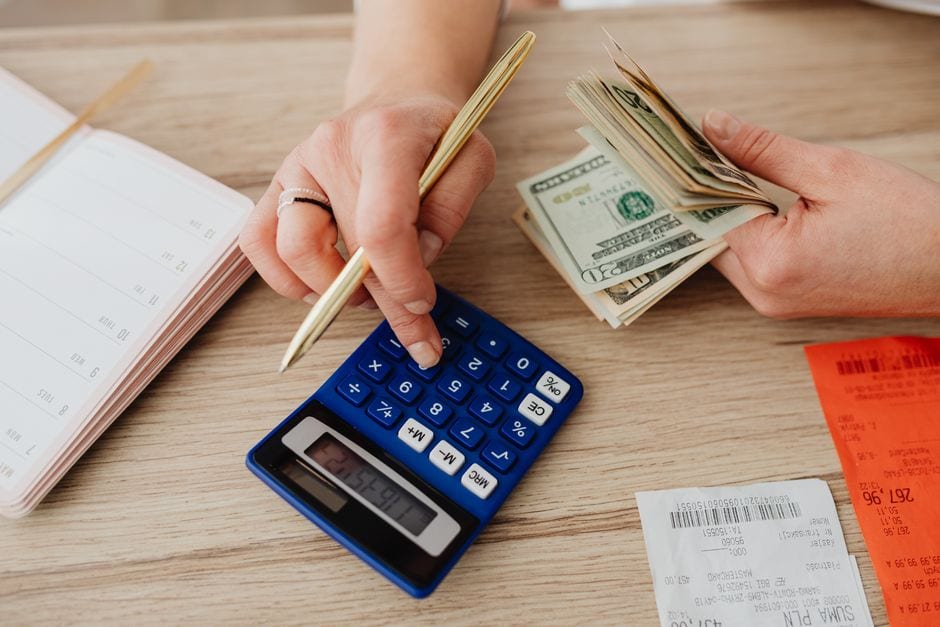
For a White Center family managing rent, transportation and groceries, advice to save six months of expenses can sound impossible. A more useful first goal is to make the next surprise bill less disruptive than the last one.
Start with the timing, not the percentages. List the date and amount of every paycheck, benefit payment and essential bill. A household can earn enough over the month and still run short on the third when rent is due. That is a cash-flow problem, not simply a spending problem.
Circle the bills that would create immediate harm if missed: housing, utilities, food, required transportation, childcare and insurance. Build the first savings target around one likely disruption, such as a tire replacement or a temporary work-hour reduction.
If you can spare $5 per paycheck, transfer it to a separate, accessible savings account after essentials clear. If income fluctuates, use a smaller automatic amount and add extra only in stronger weeks. Avoid accounts with fees that swallow a small balance.
Make a 'surprise expense' list based on your own past year: medicine, school supplies, work uniforms, car repairs, appliance replacement. Estimate how often each occurs. Many so-called emergencies are irregular but predictable, and a small sinking fund can make them easier to handle.
Before paying extra on low-rate debt, examine whether you have any high-interest balances or overdue essential bills. Compare the interest cost with the value of keeping a minimal emergency cushion. The right sequence depends on the household's risks; there is no universal formula.
If an expense has already become unmanageable, contact the creditor or service provider early to ask about hardship options, due-date changes or payment arrangements. Avoid assuming a payday loan is the only bridge; compare its full cost and repayment consequences.
A side income idea can help, but track its net earnings. Selling $200 of goods after spending $140 on supplies and delivery creates only $60 before taxes and labor. Treat the net amount, not sales, as money available to save.
Westside Wade's seven-day challenge: build a one-page bill calendar, identify a first $50 or $100 buffer target if feasible, and set one small transfer. The purpose is resilience, not a social-media savings contest.
Useful reading: Washington DFI's financial education resources https://dfi.wa.gov/financial-education/financial-education-and-resources-dfi and CFPB's consumer tools https://www.consumerfinance.gov/consumer-tools/. Photo: https://kaboompics.com/ / Pexels. Educational information, no affiliate links. |




0 Comments
Join the conversation
Be the first to comment
Share your thoughts above.