
SeaTac's 2026 Plan Amendments: What the November Review Means |
City staff begin evaluating proposed comprehensive-plan changes before committee review November 19 and a council docket decision December 8 |
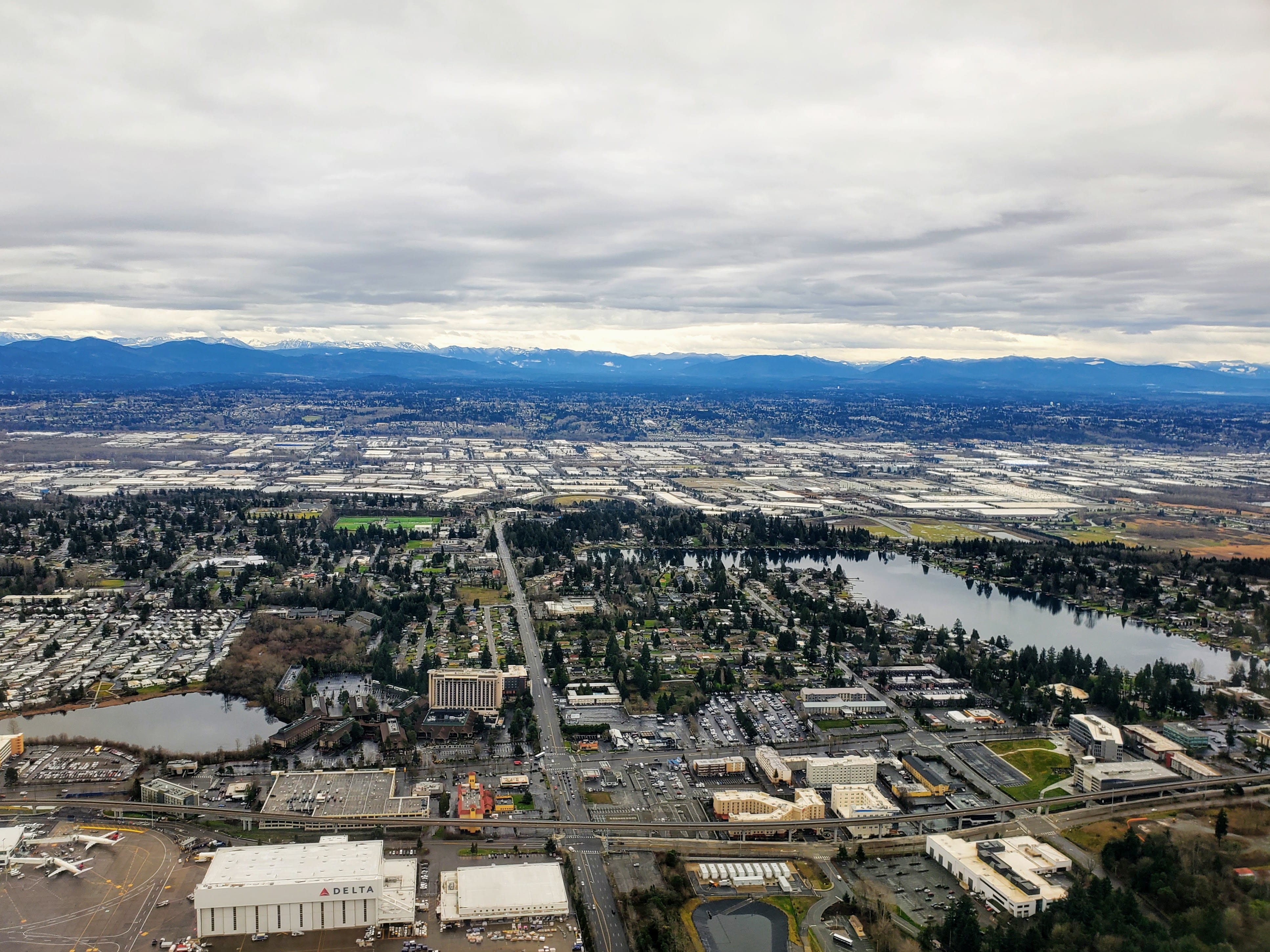
A change on a planning map can eventually shape where homes, shops, roads, and public services go.
That is why SeaTac's latest comprehensive-plan amendment docket deserves attention beyond the people who filed applications.
The city's published 2026 schedule moves into staff analysis from November 2 through November 13.
That stage follows an October 16 application deadline and an October 19–30 completeness review.
It does not mean any proposed amendment has already been approved or that construction is about to begin.
What is a planning docket?
A comprehensive plan describes a city's long-term approach to land use, housing, transportation, economic development, and public facilities.
An amendment docket is an early process for deciding which proposed changes should receive further consideration.
At this point, staff review applications and prepare a preliminary report for elected officials.
SeaTac's Planning and Economic Development Committee is scheduled to review the preliminary docket on November 19.
The City Council is then expected to consider a final docket on December 8.
Those dates are scheduled milestones, and residents should verify meeting agendas before attending or submitting comments.
Selection for the docket is not the same as final approval of an amendment.
Proposals that advance must still undergo the environmental, public, planning commission, and council reviews required by law.
Why the process matters locally
SeaTac contains residential streets, airport-related activity, hotels, retail corridors, and major regional transportation connections.
Land-use decisions can influence how those different uses fit together over time.
A proposed change may raise questions about nearby housing, pedestrian access, business opportunities, noise, or infrastructure capacity.
Those questions should be considered against the actual application, not assumptions about what the city intends.
Someone living near a busy arterial may focus on safe crossings and traffic patterns.
A small business owner may want to understand how future development could affect customers, deliveries, or commercial space.
A renter may be most interested in whether planning choices support homes people can afford.
Different priorities are legitimate, and they deserve a place in a public record.
What residents should watch for
First, look for the preliminary staff report and identify which applications are proposed for further study.
Second, read the geographic description carefully to see whether an application concerns your neighborhood or a different part of SeaTac.
Third, distinguish a recommendation to study an idea from a decision to change land-use rules.
Fourth, check what future opportunities for public comment are listed after the docket is established.
Fifth, ask what evidence the city will use to evaluate transportation, environmental, housing, and economic impacts.
Specific questions make it easier for officials to respond and for neighbors to compare the options.
How to follow the timeline
The city maintains a comprehensive-plan amendment process page with the anticipated schedule and contact information.
Residents can use that page to check the November 19 committee step and the December 8 council consideration.
Meeting agendas, participation instructions, and deadlines may be posted separately, so confirm them close to the meeting date.
People who need accessible formats or language support should ask the city what assistance is available.
Community groups can help by explaining the difference between a preliminary docket and an adopted land-use change.
That distinction is important because a headline about a proposal can sound like a final decision when it is not.
The useful question right now is which ideas move forward for scrutiny, and how neighbors can participate before any final change.
SeaTac's planning choices will matter most when residents can see the details and understand the tradeoffs.
Official 2026 amendment schedule: https://www.seatacwa.gov/government/city-departments/community-and-economic-development/planning-division/planning-projects-underway/comprehensive-plan-amendment-process
Image credit: Aerial photograph of SeaTac, Washington, by ImogenCaroline, via Wikimedia Commons, licensed CC BY-SA 4.0. Photo taken in 2021; it is illustrative geography, not a map of the proposed 2026 amendments. |





0 Comments
Join the conversation
Be the first to comment
Share your thoughts above.